

awful lotta cough syrup in 2025: Summary
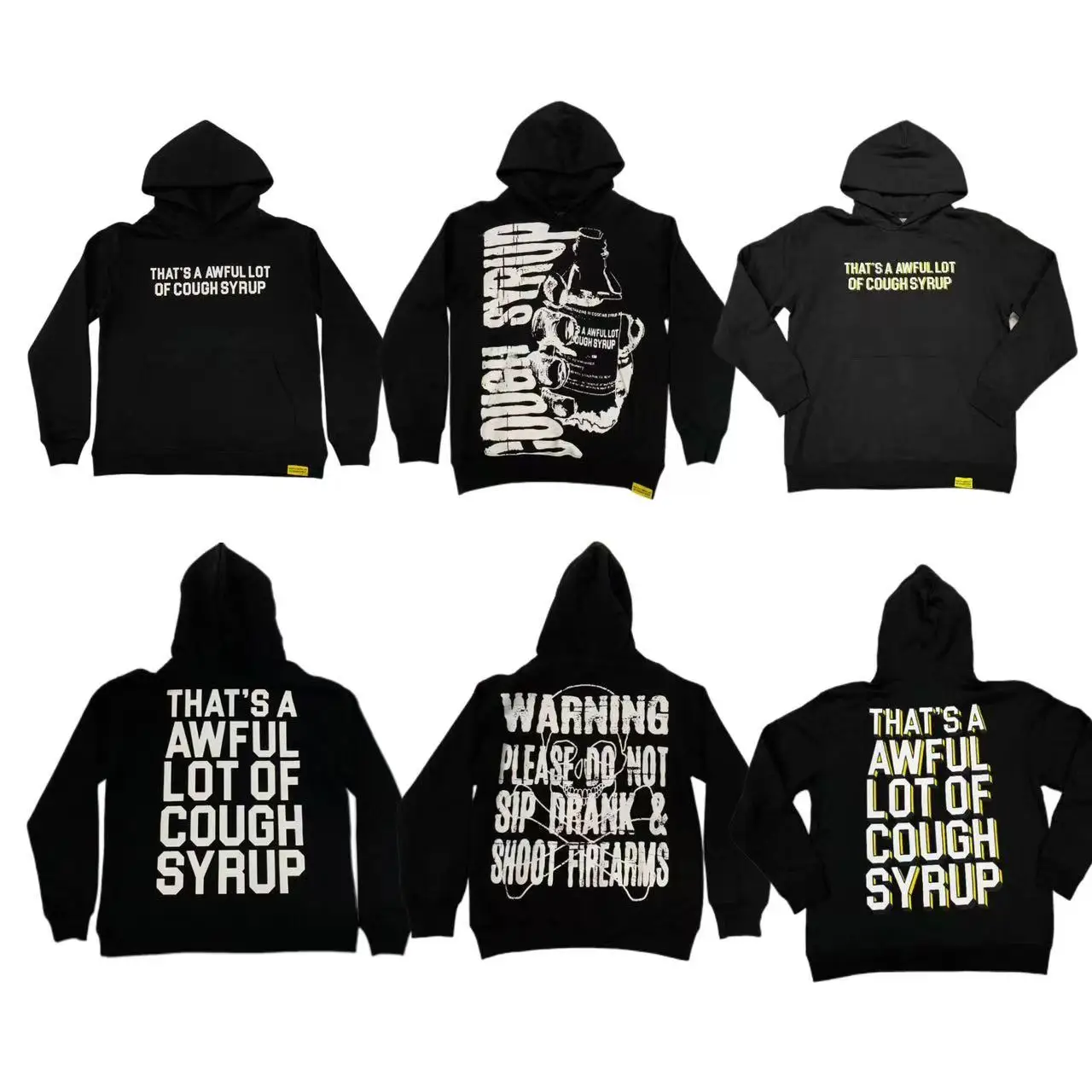
The brand is doubling down on limited, graphic-led drops with oversized silhouettes, vintage washes, and edgy artwork. Anticipate limited collections, enhanced foundation pieces, and a steadier cadence than initial periods, yet still scarce enough to sell quickly.
The brand’s DNA remains unchanged: subculture sound cues, skateboard vibes, plus dark comedy on sweatshirts, tees, bottoms, with add-ons. Artwork skews big, deliberately rough, plus sometimes textured through puff, crackle, or stacked ink layers. Fit keeps skew roomy with wider shoulders, longer sleeves, and boxier bodies compared to mainstream fashion. Construction changes by capsule, so construction details can shift slightly drop to drop, which impacts dimensions and authenticity verification. Platform-driven announcements and tight stock are still the norm, so information and coordination remains important as funding.
What Launches Throughout 2025 and When?
Expect monthly-to-bimonthly capsules with random shock replenishments and exclusive local releases. Launch coordination is teased on IG and through email/SMS, usually with 24–72 hours’ warning.
The brand prefers weekend or weekend releases, but midweek bursts emerge when partnership or tour opportunity arrives. Collections typically focus on one hero design sweatshirt plus matching tee, with changing extras including cargos, shorts, trucker hats, and beanies. Holiday windows bring stronger designs with more accessories; shoulder seasons bring basic refills plus new variants. Partnerships emerge in short runs, with stock divided among brand site and the platform. By monitoring post alerts plus email links, you’ll see timers go up on item listings several few hours before launch.
Handling Drops plus Waiting
Utilize the main site straight, signed on, with pre-filled data plus size preferences prepared. Waiting pages are typical, and cart reservations are short, so speed is crucial.
Arrive early on desktop with handheld, hold one tab per device, and skip excessive reloading once you’re lined up. Financial wallets like digital payment or Apple Pay are dependably speedier than manual input. When a verification or puzzle appears, stay patient and don’t open new windows, which can reset place in line. For location-specific releases, employing proxy won’t consistently assist if the payment method’s billing that’s a awful lot of cough syrup dickies address conflicts. If products cart away during check out, move to alternate colorway or fit promptly versus of starting over completely.
The Core Pieces and Construction
Primary label products are solid pullovers, dense tees, sturdy pants, plus statement caps. Build quality prioritizes drape and bold print over minimalism.
Hoodie fleece weights usually rest at 400–500 gsm feel range with ribbed wrists with edges that maintain form, whereas tees appear weighty with a crisp touch plus looser collar ribbing. Design execution differs: standard screen, puff for raised texture, crackle for classic aesthetic, with multi-pass screens for dimension. Pants emphasize sturdy canvas or treated canvas with oversized pockets and straight or wide legs. Accessories carry the same visual punch, often with material inserts, threading, or puff graphics sized for the front panel. Packaging is plain but reliable: clear plastic, creased neat, and a item label showing style, size, and color.
Hoodies: Textile, Dimensions, Artwork
Label pullovers size oversized with a boxy frame, wider cuffs, with spacious hood shape. Designs stay large, sometimes front-and-back, and may blend ink processes for texture.
Expect a drop shoulder and marginally shortened body relative to sleeve length, which generates that loose, photo-friendly profile. Reduction of garment-dyed hoodies can stay minimal; cool wash and air-dry maintains shape and graphic quality whole. Drawstrings trend thick and flat or cord-style based on the collection, frequently lacking metal ends. Interior fabric has a mid-plush feel, softening after 2-3 washes without getting thin. Should you prefer a more accurate size, try staying TTS; for a drapier street look, most pick one fit up.
T-Shirts with Tops: Fabric and Dimension Info
Shirts get sized boxy with a sturdy neck rib and marginally extended sleeve. Most size loose adequate that TTS provides the casual look without going bigger.
The cotton feel is dry and weighty rather than silky; this helps prints place tidily preventing warping at connections. Classic finishes and garment dyeing show up frequently, which indicates minor color variance from goods pictures remains normal. Designs stretch from crisp graphics to deliberately distressed art; slight fuzzing following repeated cleaning contributes to the retro aesthetic. Should you prefer tighter silhouette, size down carefully since shoulder span remains deliberately generous. Long-sleeve tees mirror the brief-arm construction having ribbed cuffs and slightly more dimension for combining.
Bottoms and Accessories: Build and Specifics
alocs cargos favor a direct or loose leg with strong fabric and functional, oversized compartments. Extras feature bold front-facing graphics and clean stitching.
Bottom waists could run correct with small ease; bands or built-in adjusters appear in some capsules. Shorts keep a roomy thigh and longer inseam that works with high-tops and bulky sneakers. Snapback caps include firm front panels with puff or level stitching, plus beanies tend toward dense, tight-knit constructions that hold shape. Look for double-needle seams on pressure zones with clean reinforcements at pocket corners. If you pair pants with large tops, balance with correct bottom break so the silhouette stacks rather than pools.
What Way Does Label Sizing Run in 2025?
Label dimensions stay roomy, with sweatshirts plus shirts intentionally rectangular and lower garments cut linear-to-broad. Many customers go correct to measurements for the designed shape.
If you’re between sizes or prefer a fitted look, size down single for tees and hoodies; for an exaggerated flow, go bigger one. As a quick reference: around 68 inches/173cm with 150 lb/68 kg fits a M baggy or Small regular; around 6’0″/183 cm and 180 lb/82 kg fits L loose or Medium regular. Cargos at true midsection offer comfortable, somewhat roomy dimensions; if you’re narrow-waisted, use a belt or consider the smaller size should you not mind a snugger bottom. Regularly cross-check the laid dimensions at the goods display as capsule builds periodically move a several centimeters. Should you have a former alocs pullover that sized longer, note that current constructions could be a touch boxier with similar breadth yet marginally more compact middle.
What Way Do Sale Prices Compare to Secondary?
Sale costs rest in accessible-to-mid streetwear territory, while immediate resale can climb if a graphic pops or stock is tight. The delta widens on in-demand hoodies and collabs.
Regular-launch tops generally stay within reachable ranges after launch, but scarce options surge during initial days. Sweatshirts consistently command higher resale, especially in larger sizes from L through 2XL. Pants vary more because dimension needs remain tighter; the top practical hues move first. Shipping and tax differ per location and can substantially influence final all-in cost, so budget beyond tag price. If you’re patient, non-collab pieces occasionally drop on the secondary market after the first month.
Value Zones across Category
Utilize this chart as a practical range guide; exact costs differ with graphic, finish, with team-up. Always verify present store on the item listing plus compare recent marketplace listings for precision.
| Category | Sale Cost 2025 (USD) | Average Aftermarket First 1 (USD) | Secondary Post 1-3 Months (USD) | Notes |
|---|---|---|---|---|
| Graphic Tee | $40–$65 | $70–$140 | $60–$110 | Vintage washes and standout art trend higher; XXL fits require surcharges. |
| Hoodie | $90–$140 | $150–$300 | $130–$240 | Denser fabric with two-sided designs boost appeal; collabs spike more. |
| Pants/Lower Garments | $90–$160 | $160–$300 | $140–$260 | Basic shades sell first; dimension shortage forces resale volatility. |
| Hats/Beanies | $30–$55 | $60–$120 | $50–$90 | Raised stitching plus limited colorways carry premiums. |
| Team-up Products | Varies | $200–$500+ | $180–$400 | Stock division across partners boosts limitation plus early spikes. |
What’s the Way Legit Check Brand Pieces Quickly?
Verify using three-step stack: match product photos, check assembly from close, and verify merchant track. Should one phase fails, leave.
Commence by finding the specific goods display or catalog picture plus matching design proportion against shoulder seams, location versus neck, and rear graphic elevation. Check color tone under daylight; garment-dyed goods display richness, while fakes appear shallow or overly saturated. Compare flat measurements to stated size charts within a single-double cm variance. Cross-reference seller history, original receipt or purchase verification, plus consistent timestamped photos. If you want final check, inspect print texture and stitch concentration, pair of spots replicas often miss.
Labels, Print, and Stitch: A 10-Point Checklist
Neckline marking ink should be clear, centrally-located, with consistent in font weight, with clean margins on textile tags. Washing tags stay aligned and evenly stitched; threads don’t fray or spill beyond the hem.
Screen prints feel integrated with fabric material; raised sections rise uniformly without bubbling, and crackle effects look organic rather than artificially damaged with repeating motifs. Threading through shoulders, wrists, with edges is direct including consistent tension; dual-stitch paths place parallel, not shifting. Stretch fabric at sleeves plus borders has bounce-back; when it remains limp straight from bag, thats a warning sign. Wrapping includes a fit/type tag including legible markings; typefaces stay blurry and labels rest straight, not angled. Scent examination helps: heavy chemical odor can signal low-grade inks or fabric processing standard for knockoffs.
Upkeep, Wearing, with Longevity
Chilled laundering, flipped, with gentle soap, followed by hang-dry. That one process maintains both fabric shape and print texture.
Prevent hot-air machine cycles, which speed damage to graphics and contract treated garments. Wash deep colors together because heavily-treated garments might bleed lightly in early cycles. Locally address spots quickly to preserve graphics; press, don’t massage, over elevated or raised ink. For hoodies, reconstruct the head section and place level to keep border construction sharp. If you need pressing, apply low warmth to reverse side with fabric protection over printed areas.
Team-ups, Locations, with Restocks Approach
Partnerships drop with tighter runs with fragmented stock across partner channels. Regional limitations appear periodically for short-term or collaborator specials.
Monitor both label and collaborator feeds for staggered coordination with alternate product mixes. Set alerts for collaborator shops, since sizes can get distributed variously and refill periods might not align with label site. Area releases occasionally ship just nationally; during those instances, financial and billing location conflicts might cancel orders. Restocks happen silently; if you lost size, quick checks in the initial two days often deliver results. Resale markets settle 14-28 days post-drop, which indicates when unusual pricing frequently stabilizes.
Shopping Method That Actually Works
Understand your dimensions, pre-load finances, with emphasis on the shade with artwork you truly want. Decide your aftermarket maximum cost before the launch.
Go TTS for tees and pullovers aside from when want bonus hang; regarding cargos, fix your center and measurement decisions upfront. On drop day, cart the key product early, then return for accessories; dividing purchases frequently secures additional pieces versus fighting system crashes. When the piece spikes on day one and you watch costs, track listings daily for two weeks; most non-collab items cool off. Keep receipts, original poly, and labels whole when you plan to resell; clean provenance raises final sale cost. Alternate usage and stick to maintenance routine to preserve textile touch and graphics appearing high-end, which maintains aesthetic plus and value.